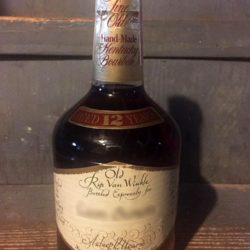
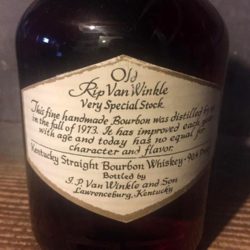
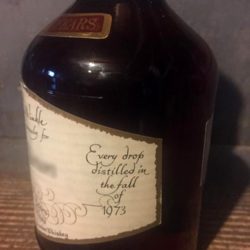
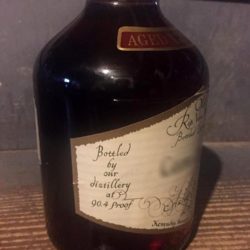
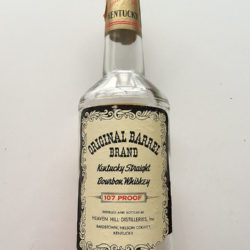
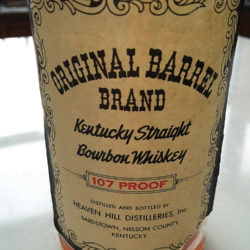
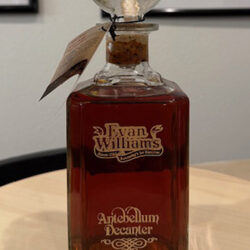
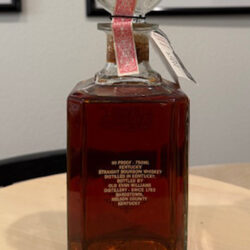
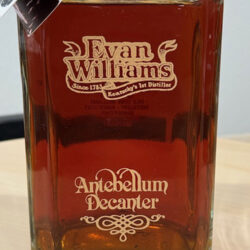
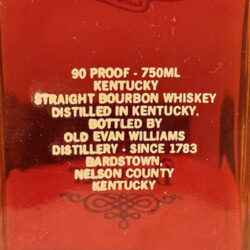
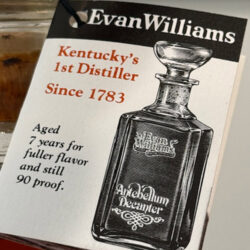
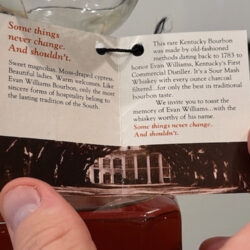
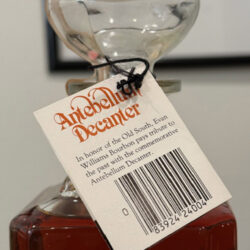
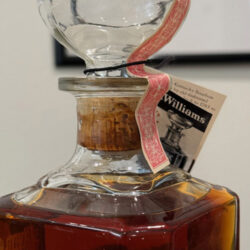
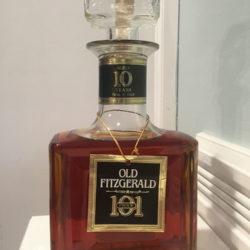
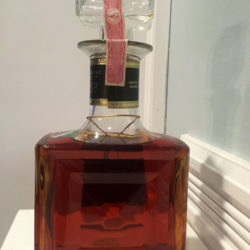
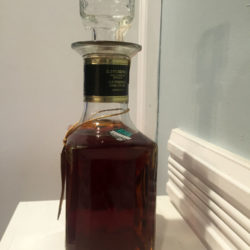
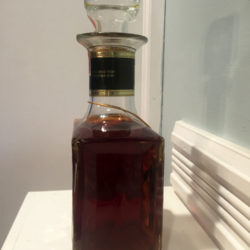
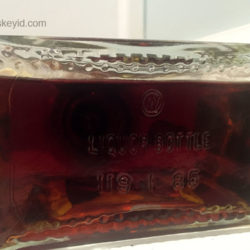
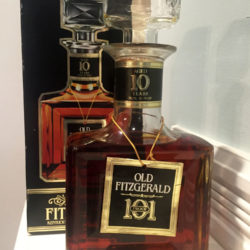
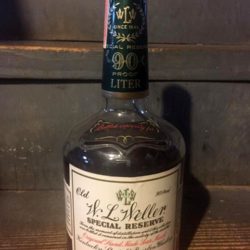
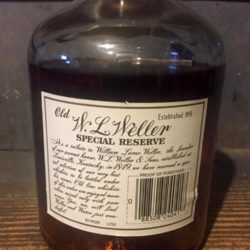
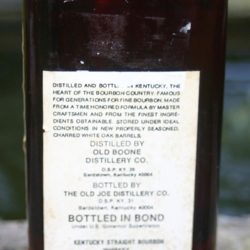
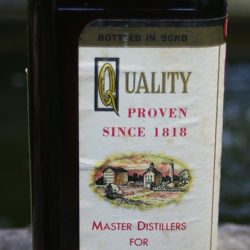
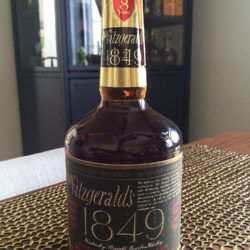
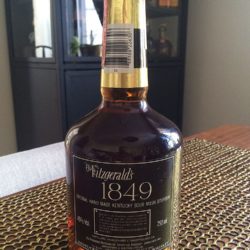
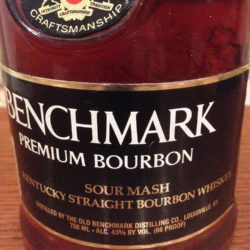
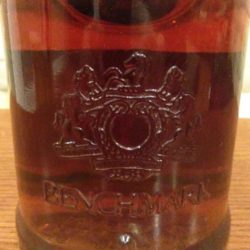
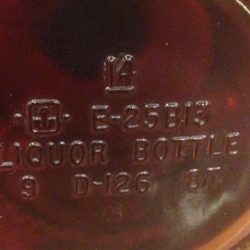
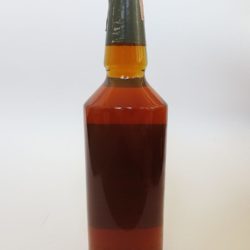
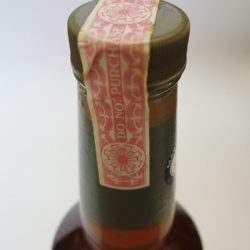
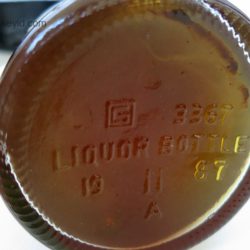
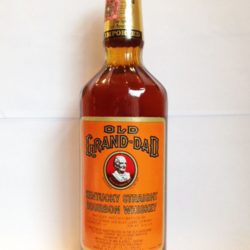
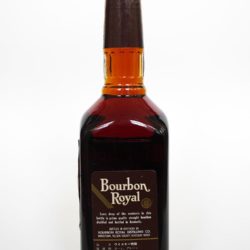
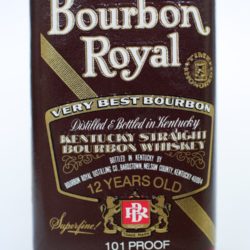
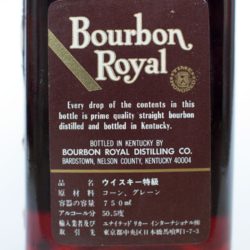
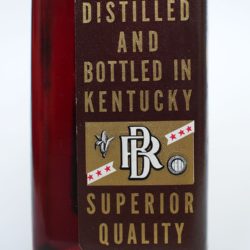
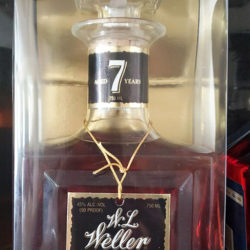
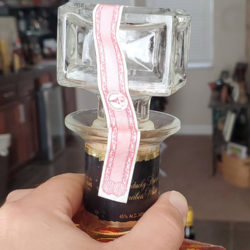
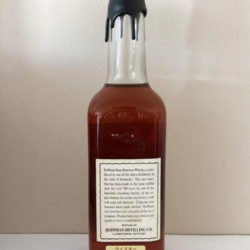
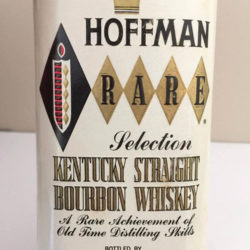
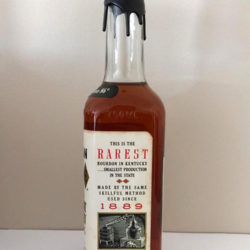
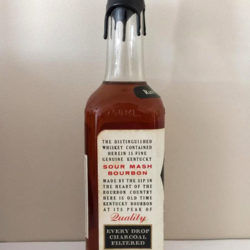
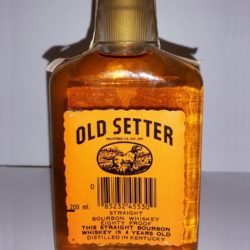
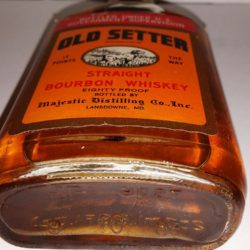
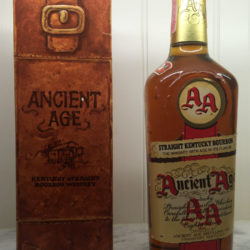
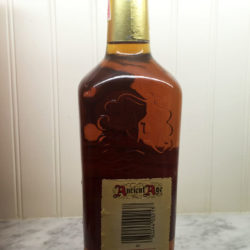
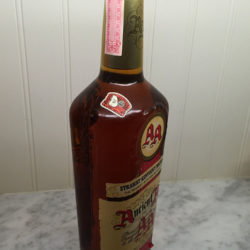
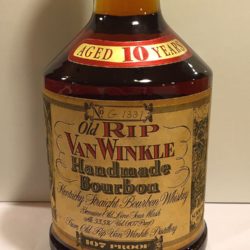
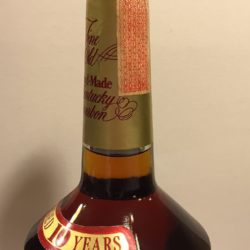
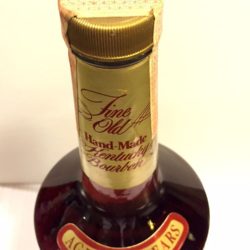
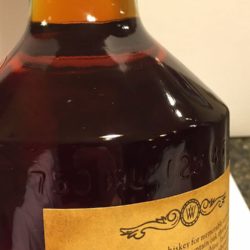
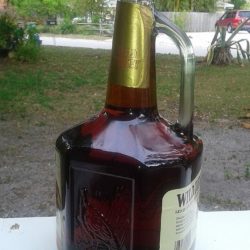
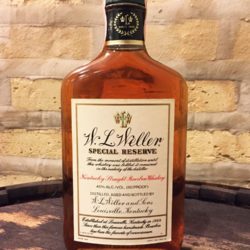
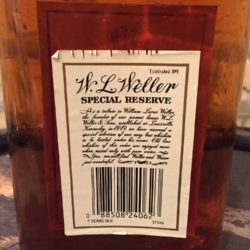
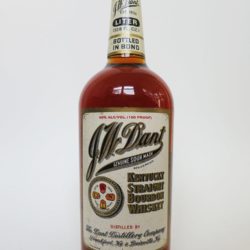
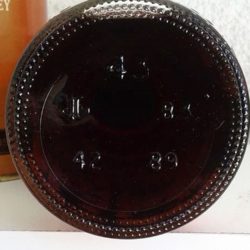
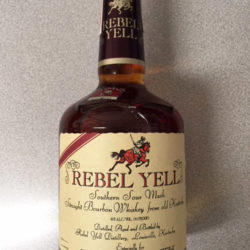
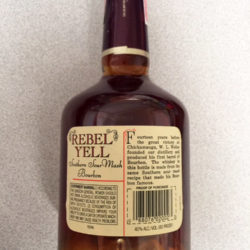
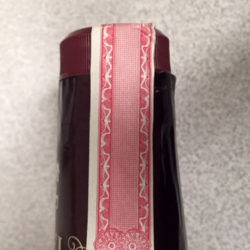
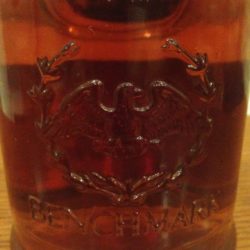
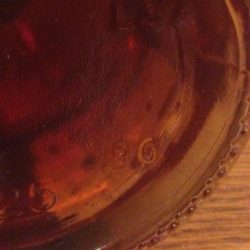
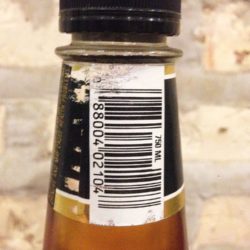
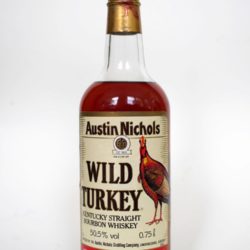
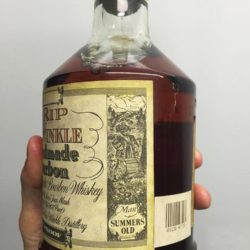
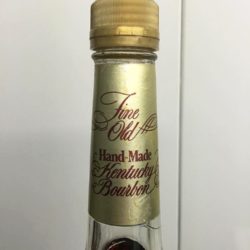
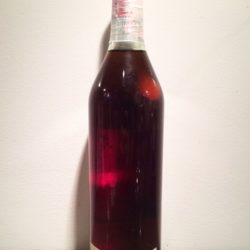
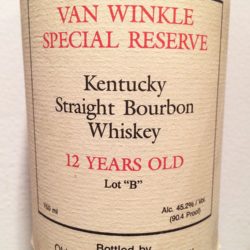
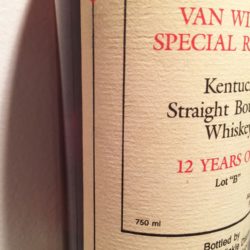
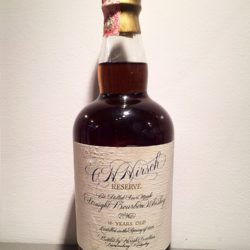
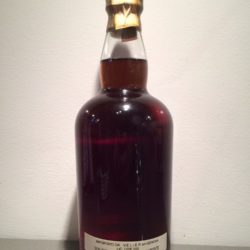
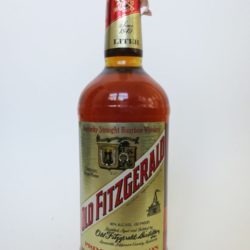
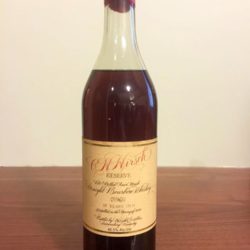
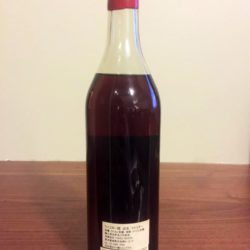
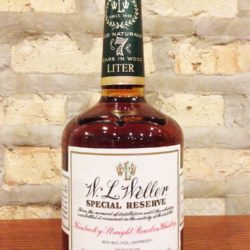
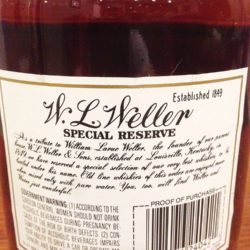
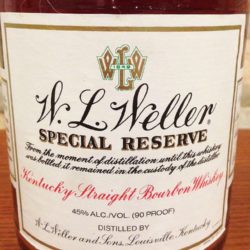
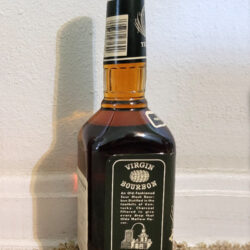
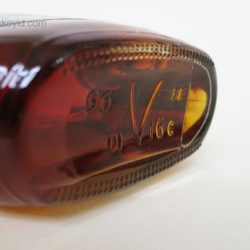
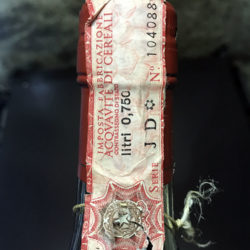
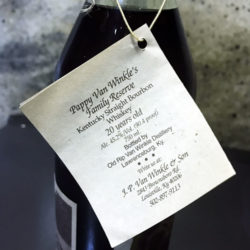
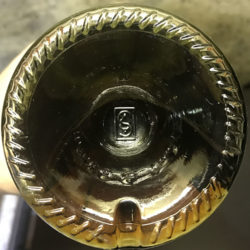
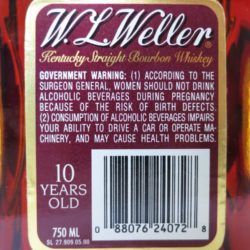
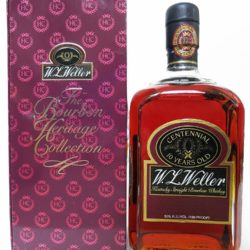
This bottle appears to be the Weller-branded equivalent to this Old Fitzgerald decanter from a similar era.
Photos courtesy of Dirk Roberts.
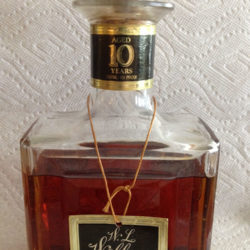
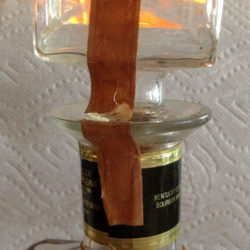
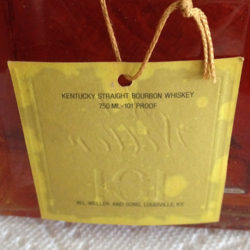
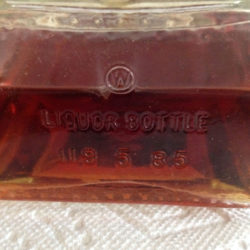
This bottle appears to be the Weller-branded equivalent to this Old Fitzgerald decanter from a similar era.
Photos courtesy of Dirk Roberts.
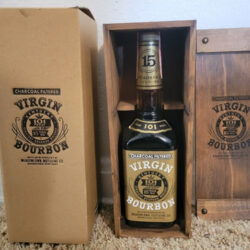
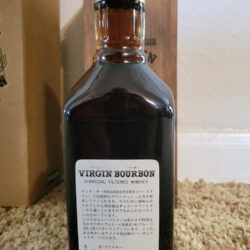
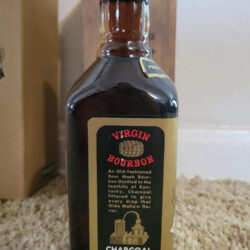
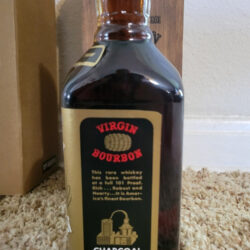
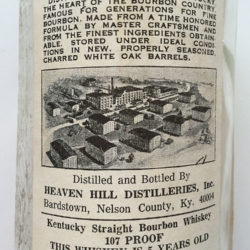
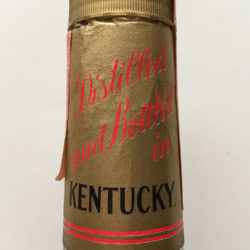
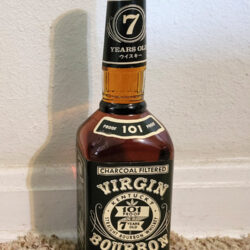
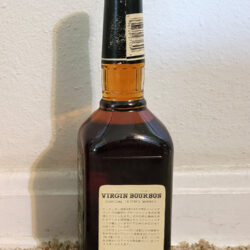
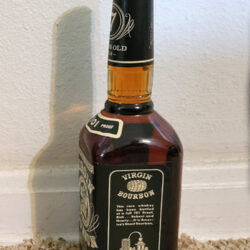
This was an export bottle for the Japanese market by Heaven Hill.
Photos courtesy of Shawn Ziemann
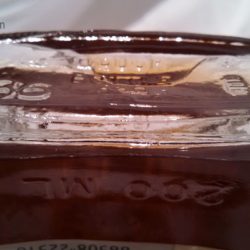
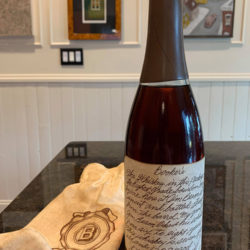
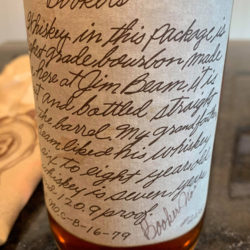
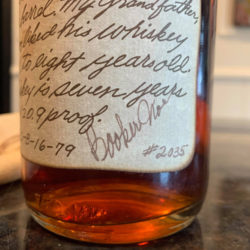
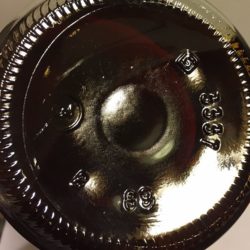
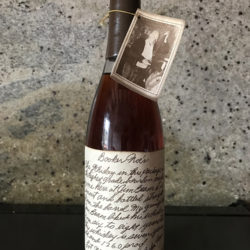
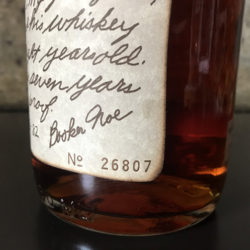
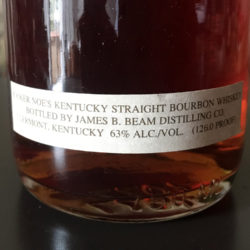
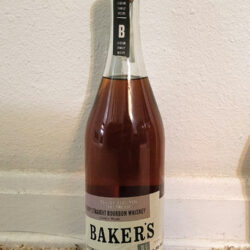
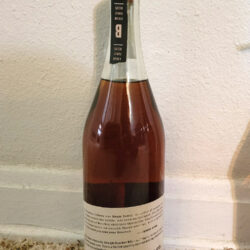
A very early example of Booker’s, distilled in 1979 and released in 1987-1988. The very first edition was reportedly 120.9 proof, hand-signed and numbered by Booker, with a commemorative seal and no bottle number; the second version (pictured here) was still 120.9 proof, still hand-signed and numbered by Booker, without the commemorative seal and numbered. The third edition was 121.4 proof and machine-signed and numbered.
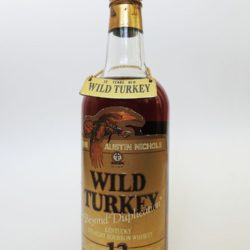
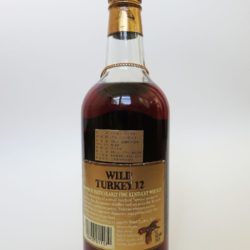
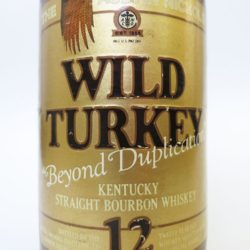

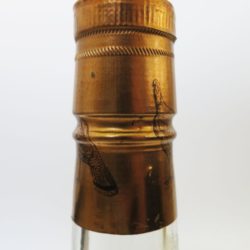
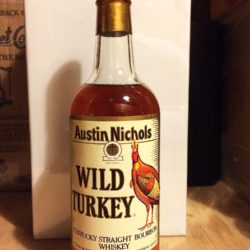
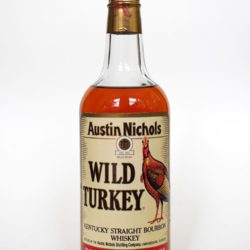
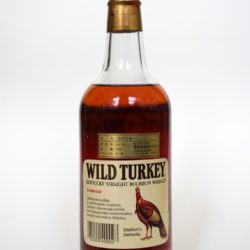
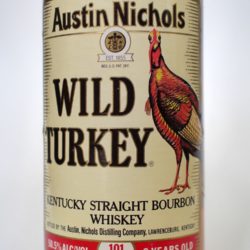
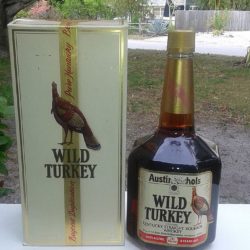
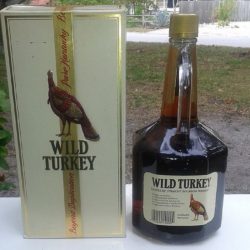
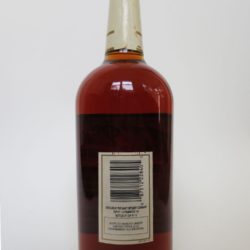
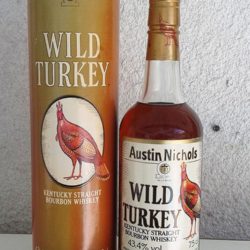
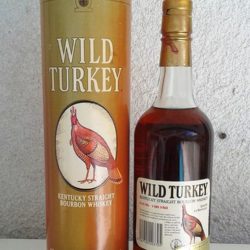
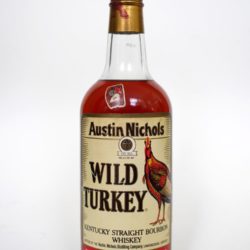
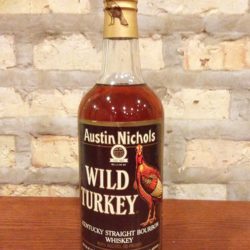
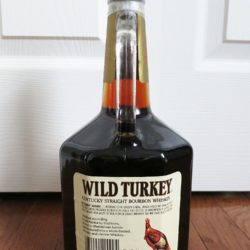
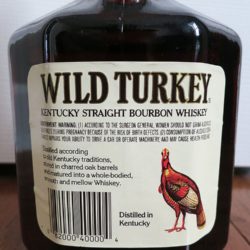
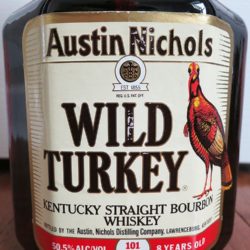
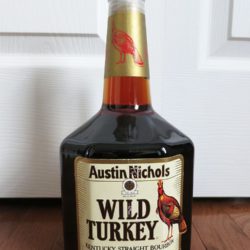
The 12 year is many people’s favorite in the Wild Turkey lineup. It started with the “Beyond Duplication” bottles in the early 1980s, which was replaced by the “cheesy gold foil” label bottle in the mid-80s, then the split-label in the mid-90s. The export market got the Beyond Duplication and gold foil labels longer than the US market. Finally, the export-only version persisted in a few markets. All are top quality pours.
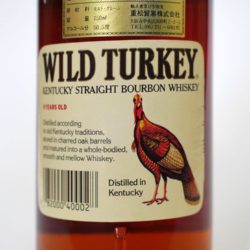
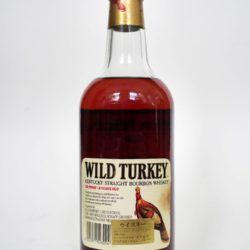
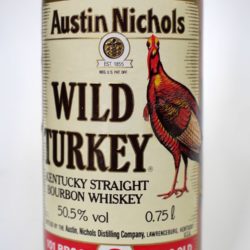
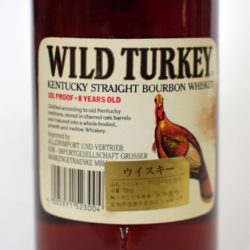
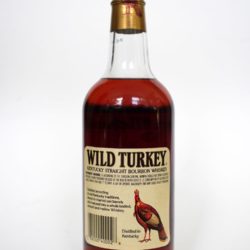
Besides the Japanese character sticker on back, you can also tell it’s the export version because it has the capsule top rather than the tax strip style on the earlier US bottles.
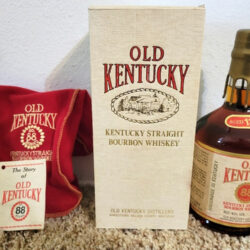
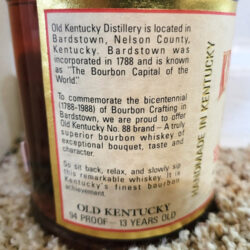
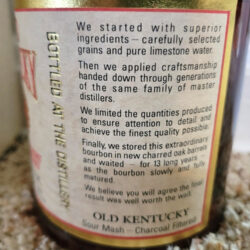
This was a KBD export for the Japanese market.
Photos courtesy of Shawn Ziemann
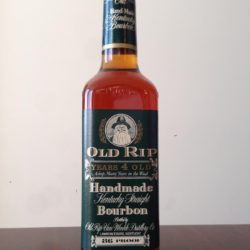
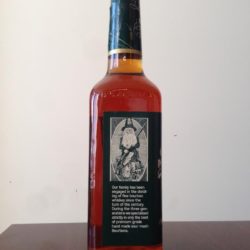
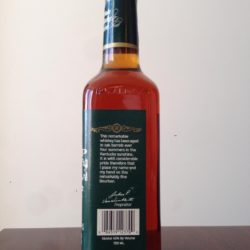
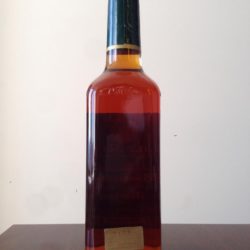
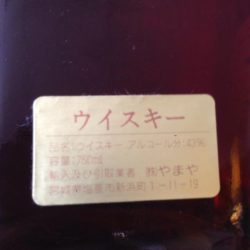
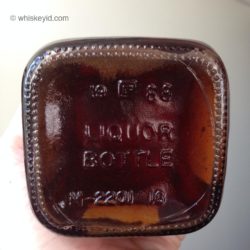
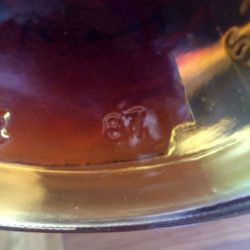
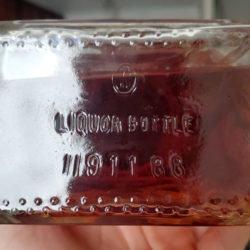
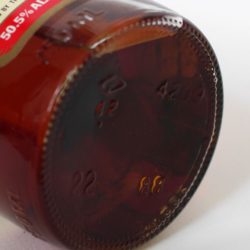
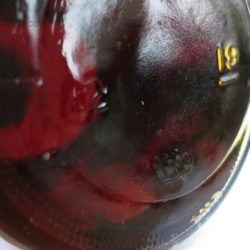
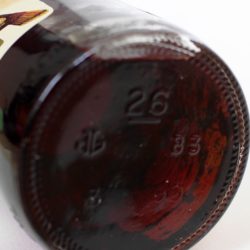
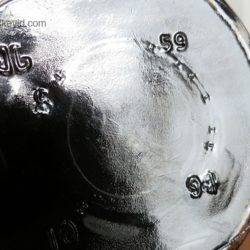
This export bottle is marked 88 on the glass, but could have been bottled a year or two later.
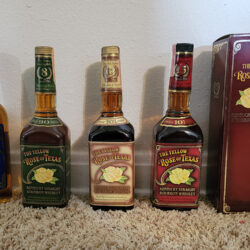
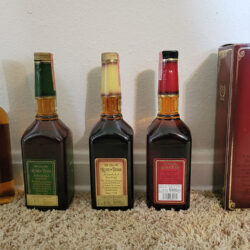
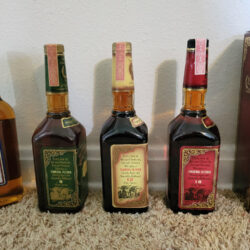
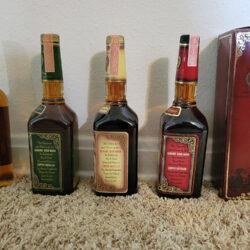
Several versions of Yellow Rose of Texas, in NAS, 8yr, 12yr, and 15yr.
Photos courtesy of Shawn Ziemann
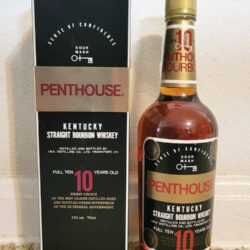
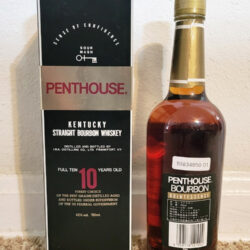
Heaven Hill export bottle for the Japanese market.
Photos courtesy of Shawn Ziemann

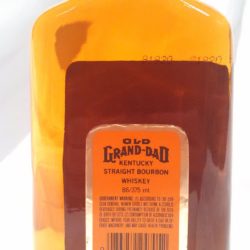
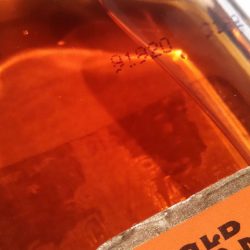
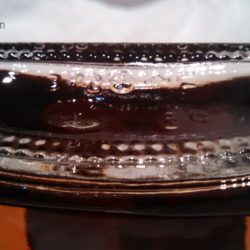
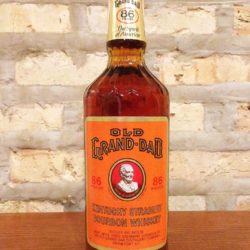
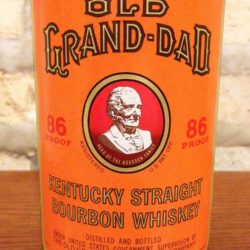
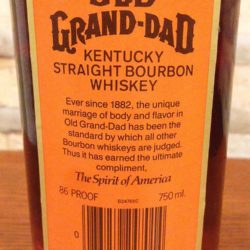
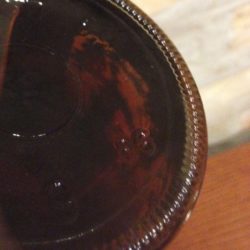
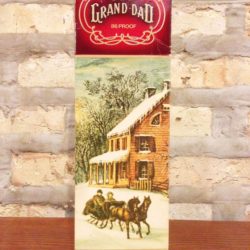
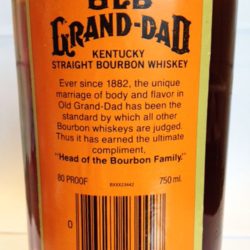
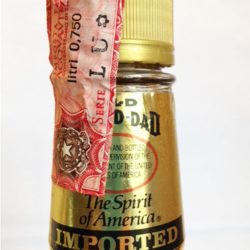
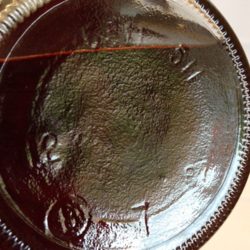
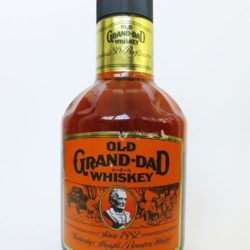
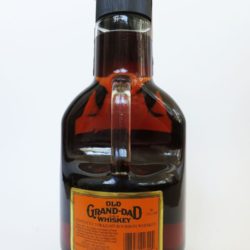
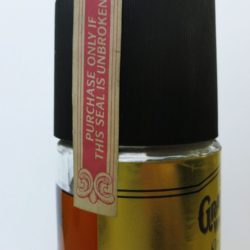
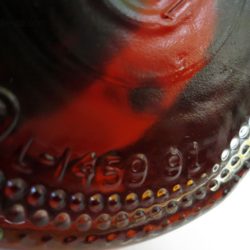
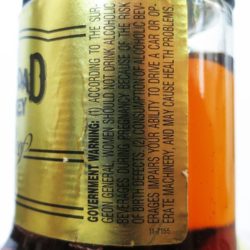
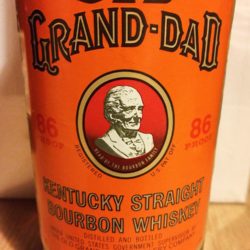
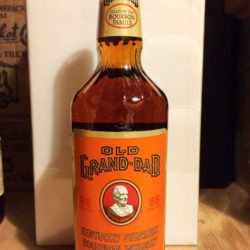
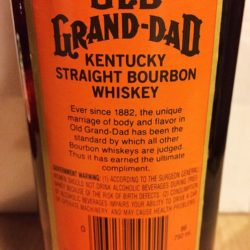
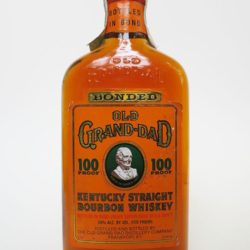
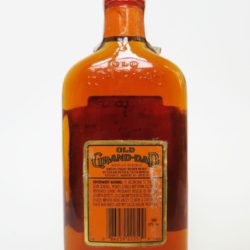
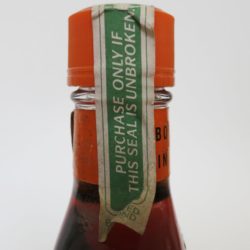
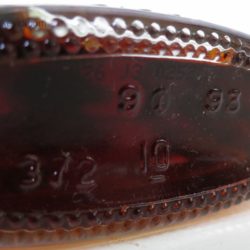
Old Grand Dad 86 proof 375 ml, circa 1989. Note the UPC code, government warning, alcohol by volume reference and dot matrix code which establishes the bottle to at least November 1989. ‘F89′ text in the bottom left corner of the front label and a ’89’ embossed on the bottom of the glass likely dates the bottle to 1989 or shortly thereafter. This coupled with the red shield and 86259 in the UPC indicate the bottle likely holds the coveted whiskey from National Distillers.
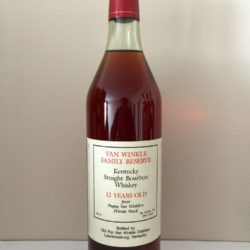
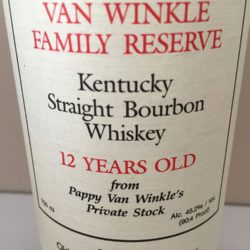
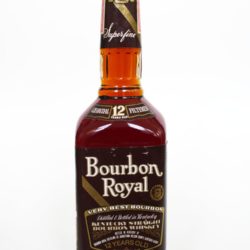
Bottled in the late 1980s for export, this bottle predates the “Lot A” and “Lot B” 12yr bottlings.
Two different versions have been spotted; this one with the red foil capsule, and one with black wax.
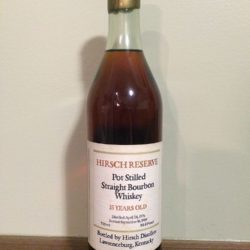
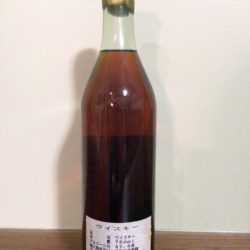
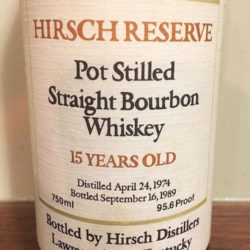
This was the original Hirsch 15 year offering. Photos courtesy of Brian Daigle.
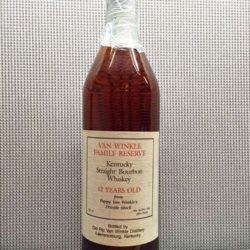
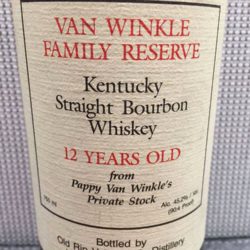
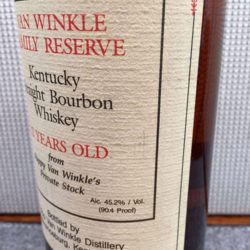
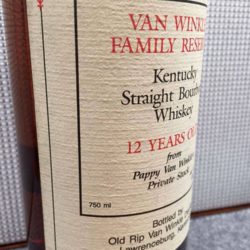
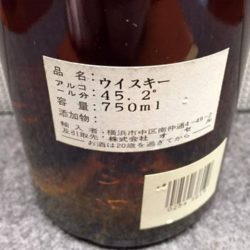
Bottled in the late 1980s for export, this bottle predates the “Lot A” and “Lot B” 12yr bottlings.
Two different versions have been spotted; one with the red foil capsule, and this one with black wax.
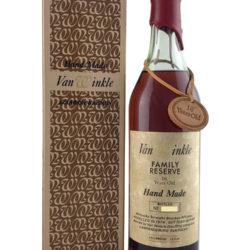
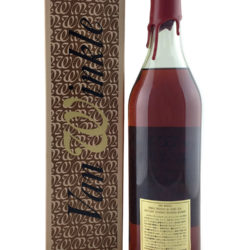
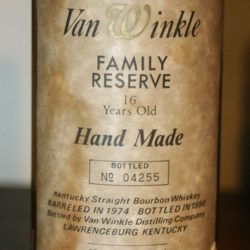
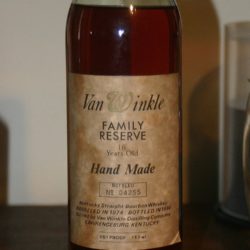
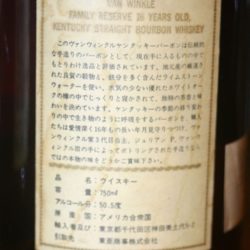
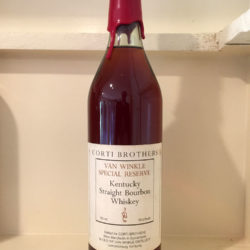
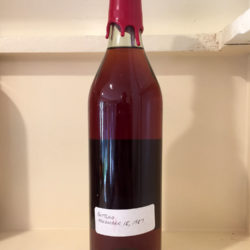
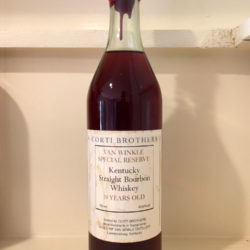
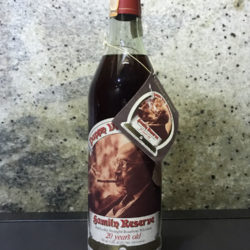
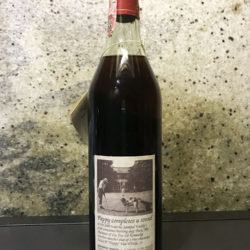
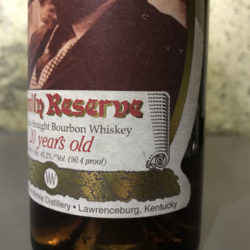
The Van Winkle Family Reserve 16 & 17 year were reportedly bottled using whiskey from the Boone distillery, which was also used for the first bottles of Pappy 20.
First two photos courtesy of ‘The Old Barrelhouse’ Australia.
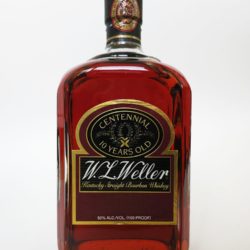
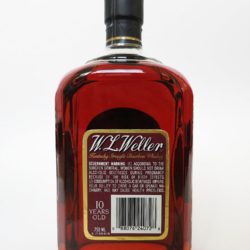
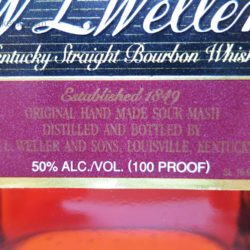
The year on this is actually unknown. There’s no year on the bottle glass, and it has a government warning, so that would put it some time between 1989 and 1999 when the brand was sold to Buffalo Trace and the city was changed from Louisville to Frankfort on the label.
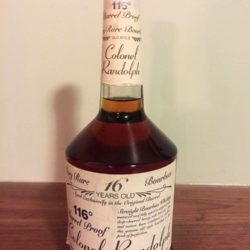
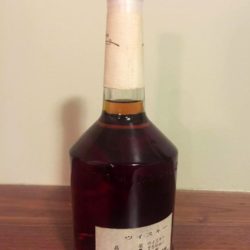
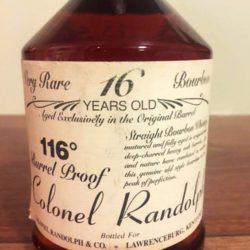
Colonel Randolph was a bottling done for overseas markets by Julian Van Winkle III. Roughly 130 cases were bottled. It’s the highest proof bottling done with the famous PA-distilled batch of A.H. Hirsch bourbon.
Photos courtesy of Brian Daigle.
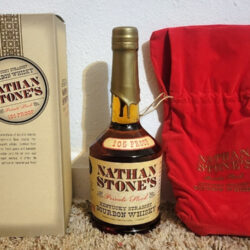
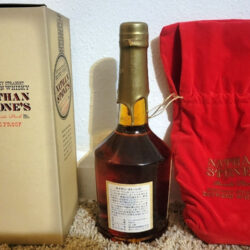
Nathan Stone’s was a private bottling done by Julian Van Winkle III for the Japanese market.
Photos courtesy of Shawn Ziemann
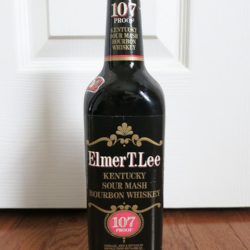
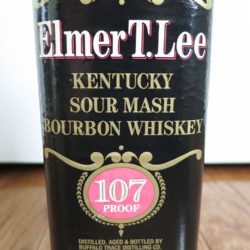
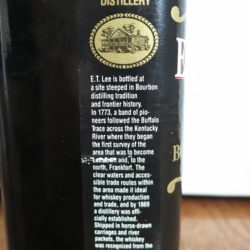
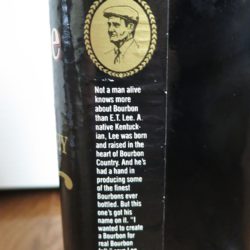
This bottle was dubbed by the whiskey community as the “Butt Ugly Bottle” or BUB.
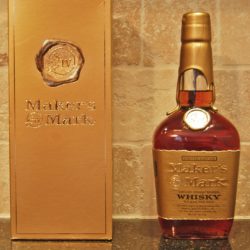
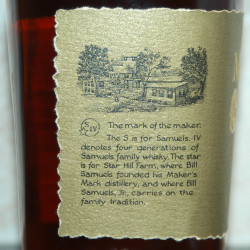
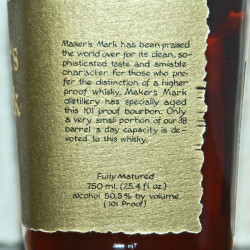
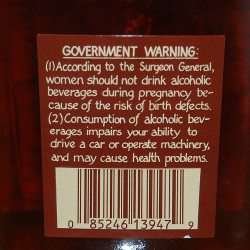
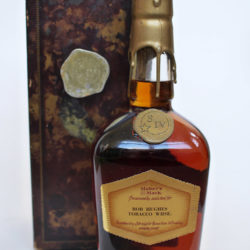
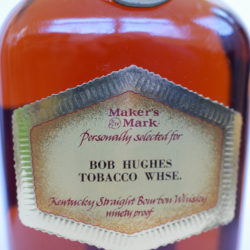
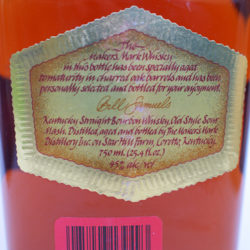
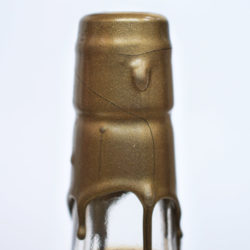
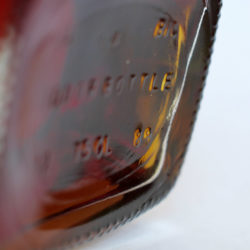
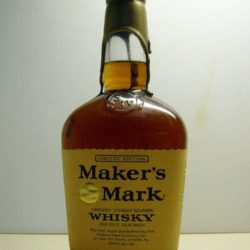
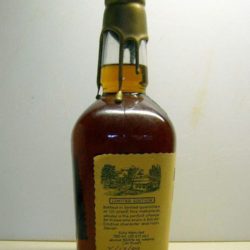
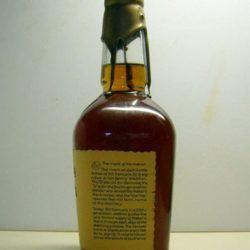
Gold wax, gold label, gold box. Maker’s offered this domestically from around 1983 until 1993, then they made it an export only product to the Far East thereafter. It, like Maker’s Select, was discontinued around the year 2000.
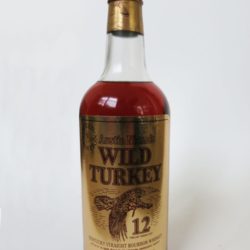
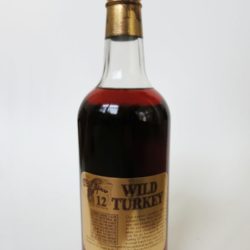
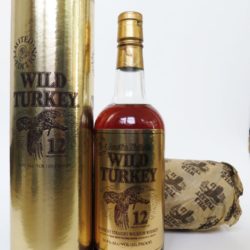
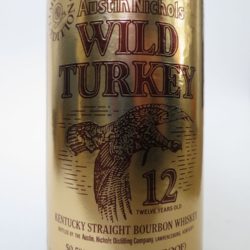
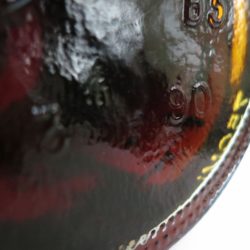
The 12 year is many people’s favorite in the Wild Turkey lineup. It started with the “Beyond Duplication” bottles in the early 1980s, which was replaced by the “cheesy gold foil” label bottle in the mid-80s, then the split-label in the mid-90s. The export market got the Beyond Duplication and gold foil labels longer than the US market. Finally, the export-only version persisted in a few markets. All are top quality pours.
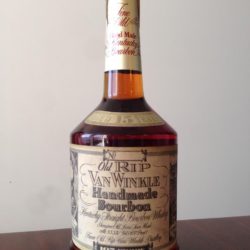
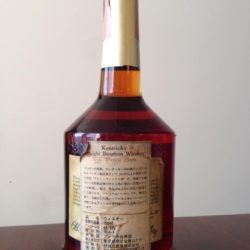
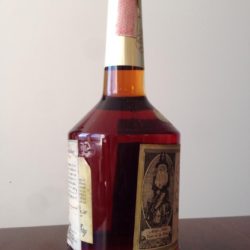
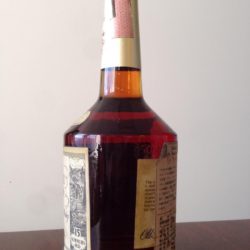
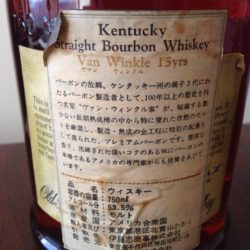
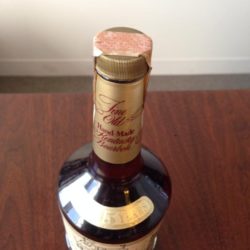
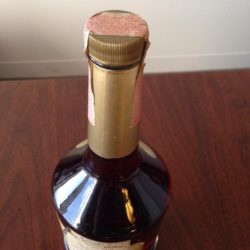
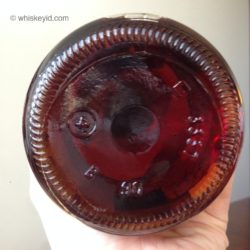
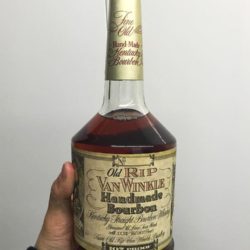
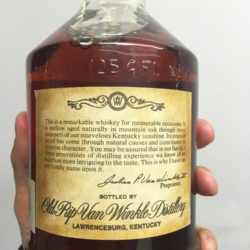
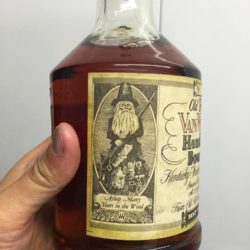
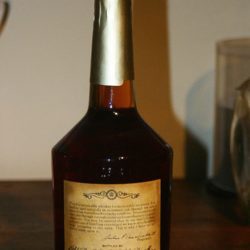
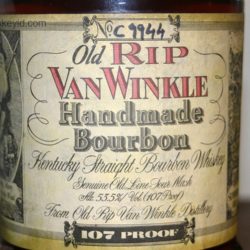
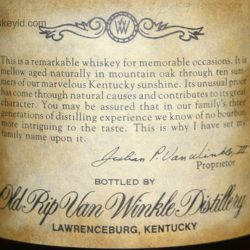
This is a very early Old Rip 15, from one of the first years it existed. Notice the faux tax strip and lack of government warning.
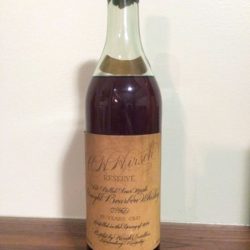
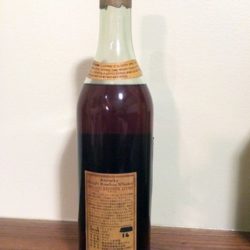
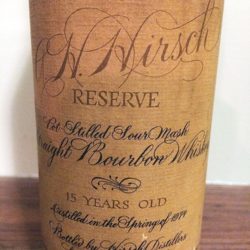
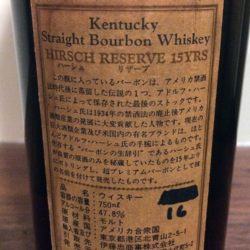
This version of the 15yr was bottled after the Van Winkle style 15 yr label. It was technically bottled after it had turned 16 yrs. Photos courtesy of Brian Daigle.
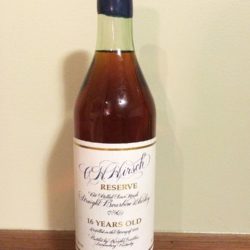
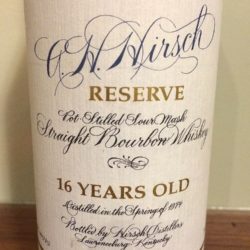
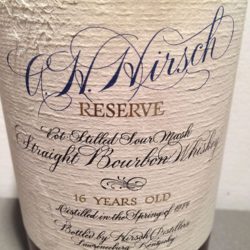
This was the first bottling of the AH Hirsch 16. Photos courtesy of Brian Daigle.
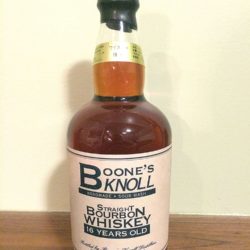
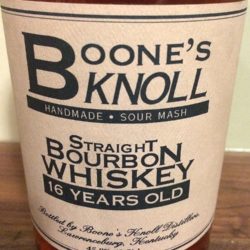
This was one of three brands the Michter’s distillate was bottled under, along with A.H. Hirsch and Van Winkle Lot H. Photos courtesy of Brian Daigle.
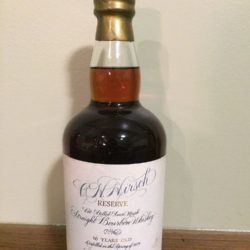
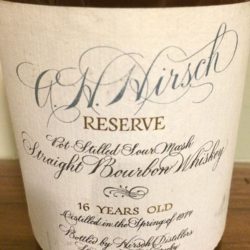
This was the last bottling of the Hirsch 16 at the higher 95.6 proof. Photos courtesy of Brian Daigle.
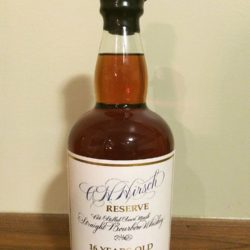
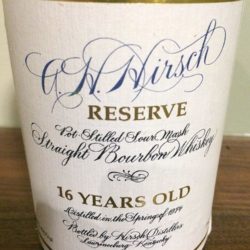
This was the first version of the Hirsch 16 that was bottled at the lower 91.6 proof. Photos courtesy of Brian Daigle.
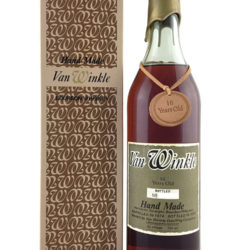
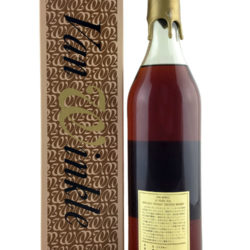
The Van Winkle Family Reserve 16 & 17 year were reportedly bottled using whiskey from the Boone distillery, which was also used for the first bottles of Pappy 20.
Photos courtesy of ‘The Old Barrelhouse’ Australia.
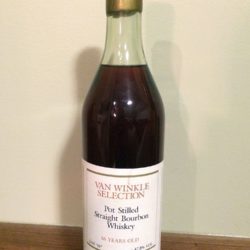
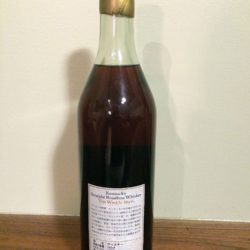
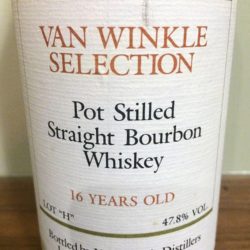
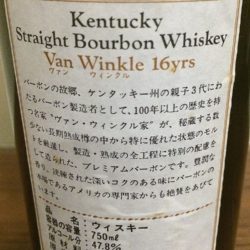
The Lot H bottles were likely bottled using whiskey from the Michter’s distillery, which was also used for the famous A.H. Hirsch bourbons. Photos courtesy of Brian Daigle.
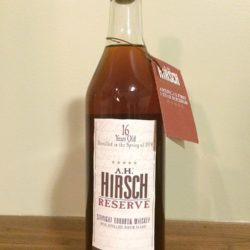
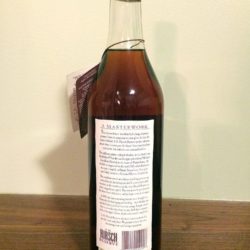
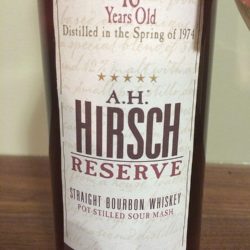
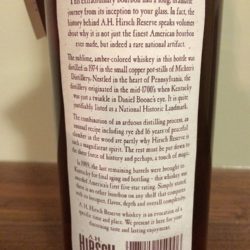
This is the second to last original bottling of the Hirsch 16, prior to the recent humidor bottle. Photos courtesy of Brian Daigle.
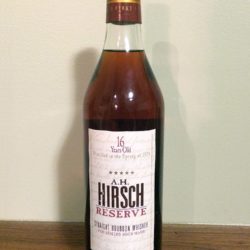
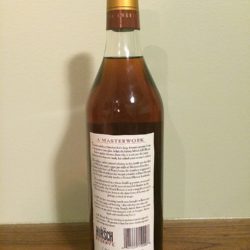
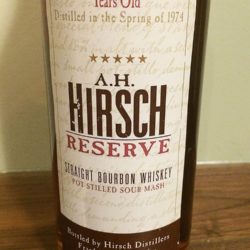
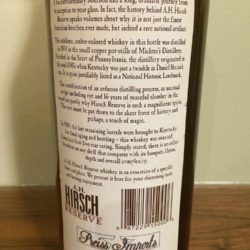
The gold foil was the final original bottling of the Hirsch 16, prior to the recent humidor bottle. Photos courtesy of Brian Daigle.
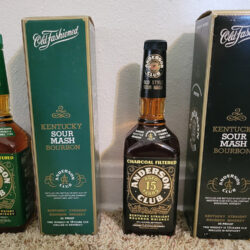
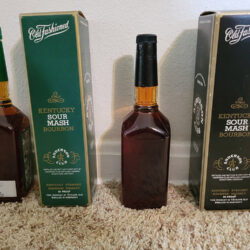
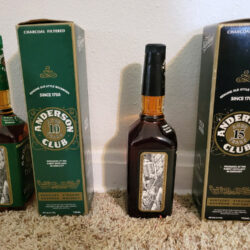
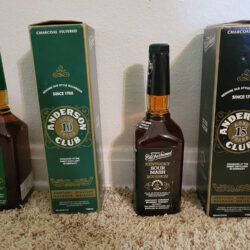
Heaven Hill export label.
Photos courtesy of Shawn Ziemann.
Lot A was a one-time release, which was followed by the Lot B, which has been produced since.
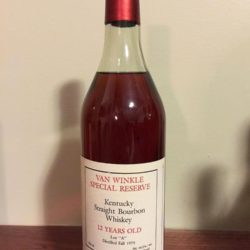
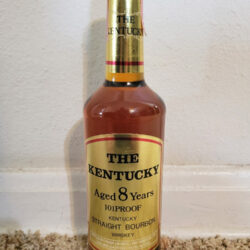
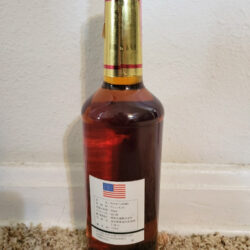
This was an export bottle for the Japanese market, purportedly bottled by Jim Beam.
Photos courtesy of Shawn Ziemann
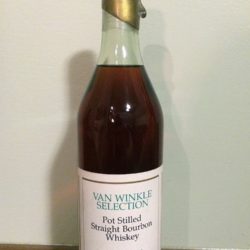
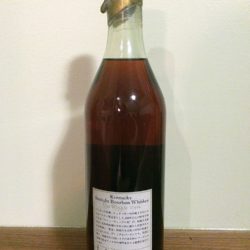
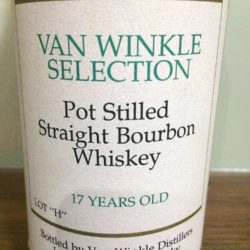
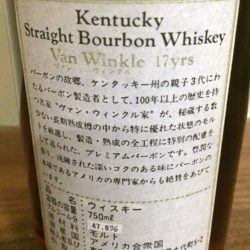
The Lot H bottles were likely bottled using whiskey from the Michter’s distillery, which was also used for the famous A.H. Hirsch bourbons. Photos courtesy of Brian Daigle.
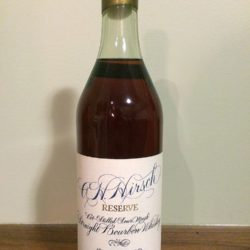
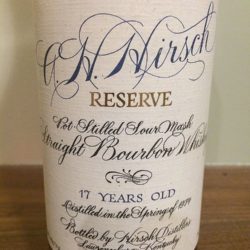
The gold wax A.H. hirsch 17 is essentially the same whiskey bottled as the Van Winkle Lot H 17 year. Photos courtesy of Brian Daigle.
AH Hirsch 18 yr is the rarest of all of the AH Hirsch releases. There were only 37 cases (444) bottles released. Speculation was that it was the remaining inventory of the bourbon that was tanked and released as a 17 year old (Some say it didn’t actually meet the requirements for an 18 year label). It is the only Hirsch offering that wasn’t either 91.6 or 95.6 proof (it was 93 proof). It is possible that was because that particular dilution made for an even number of cases. The bottle pictured here represents one of only 24 bottles that were sold domestically. Gordon Hue, who owned all of the Hirsch stock, released the rest of them overseas.
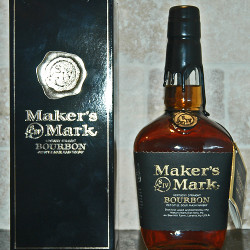
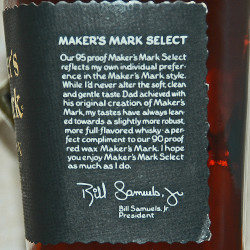
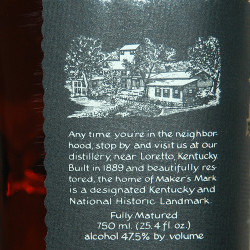
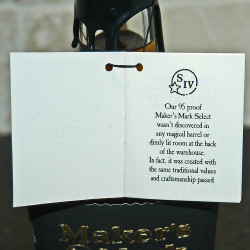
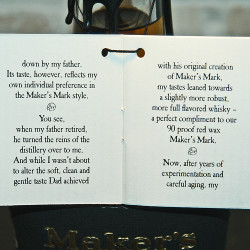
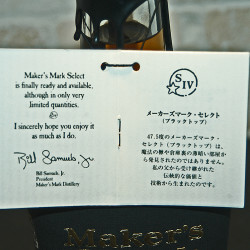
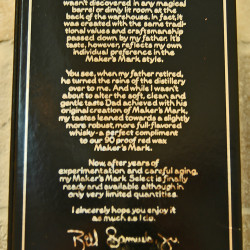
Maker’s Mark Select 95 proof, circa 1992 with black wax, label, and box. This was an export-only offering sent to the Far East and Europe. Note it was the only time in Maker’s history that they emblazoned both the box and bottle with “BOURBON” in all caps. They wanted to be sure the foreign buyers knew exactly what was in the bottle. The Select was discontinued around the year 2000.
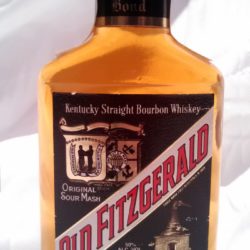
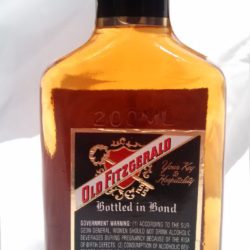
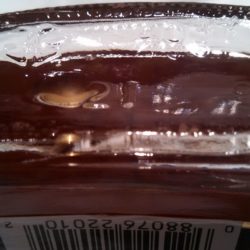
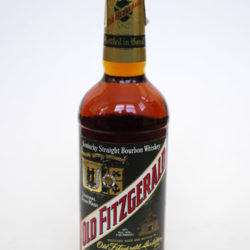
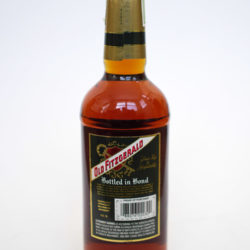
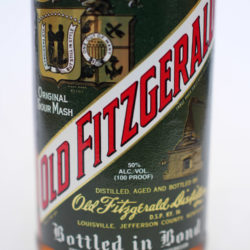
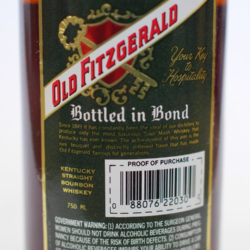
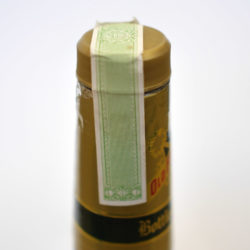
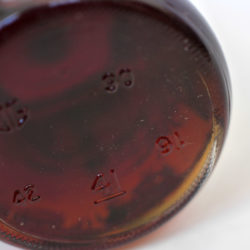
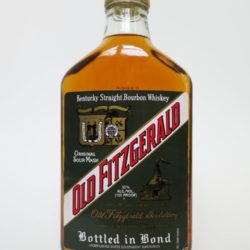
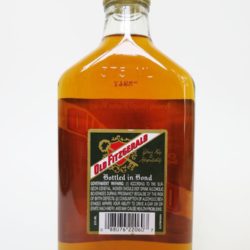
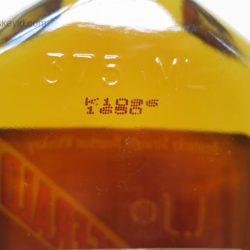
Old Fitzgerald bottled-in-bond 200 ml, circa 1993. Note the UPC, government warning, ABV reference and faux green tax strip. A ’93’ embossed on the bottom the glass date the bottle to 1993 or shortly thereafter. To the best of my knowledge, Old Fitzgerald discontinued use of the faux tax strip seals within a year or two of this bottling.
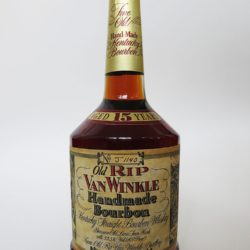
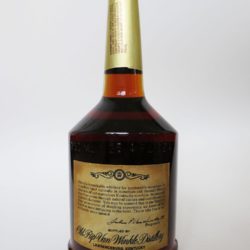
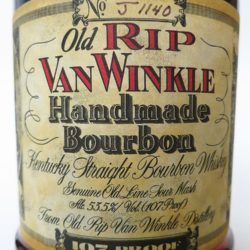
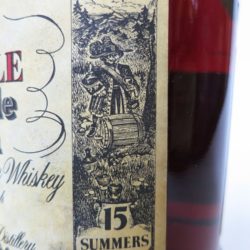
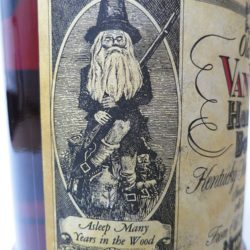
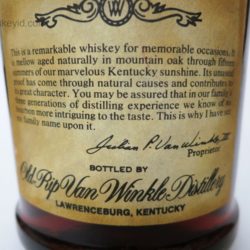
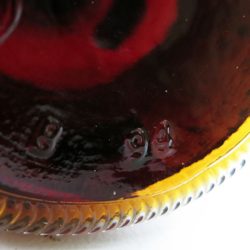
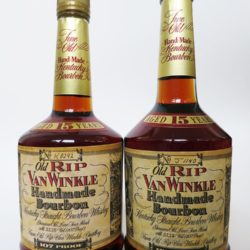
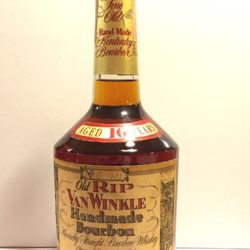
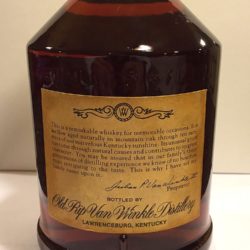
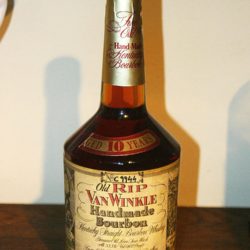
Old Rip Van Winkle 15 year was produced from 1989-2003, when it was replaced by Pappy 15. Many connoisseurs prefer the Old Rip to the Pappy, and the Lawrenceburg bottles are especially valued, possibly because they were non chill filtered before the move to Buffalo Trace in 2002. Early ORVWs came in a slightly taller bottle with a sharper angle on the shoulder. You can see in the last photo the difference between 1998 (left) and 1994 (right) bottles.
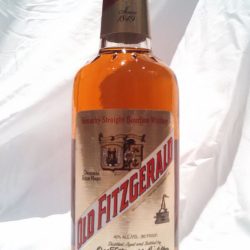
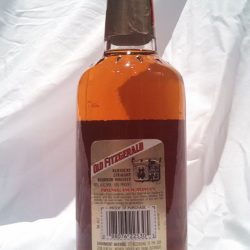
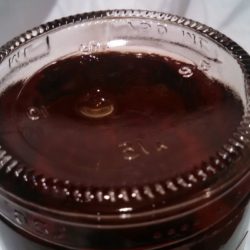
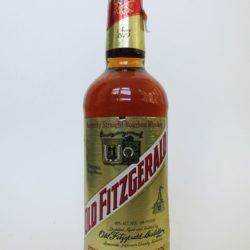
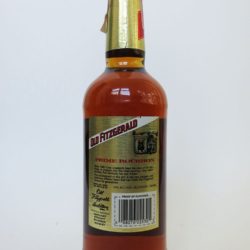
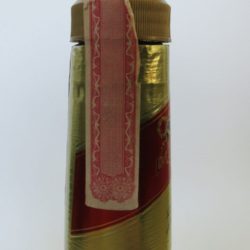
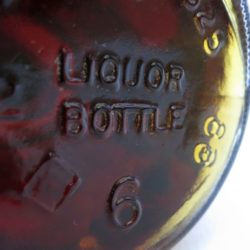
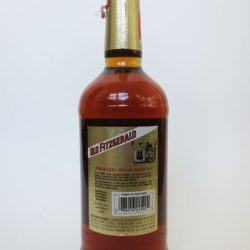
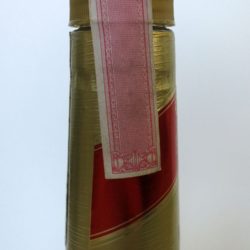
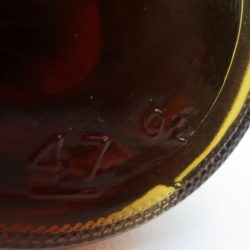
Old Fitzgerald Prime 80 proof 750 ml, circa 1994. Note the UPC code, government warning and alcohol by volume reference which establishes the bottle to at least November 1989. A ’94’ embossed on the bottom of the glass likely dates the bottle to 1994 or shortly thereafter. An interesting detail to note is ‘inc.’ (incorporated) having been dropped from the Old Fitzgerald Distillery name around the 1994 timeframe, which further establishes the provenance of this bottle. The unique embossed diamonds on the shoulder of this bottle are typical of the ‘diamond neck’ bottle design distributed during the early 1990’s.
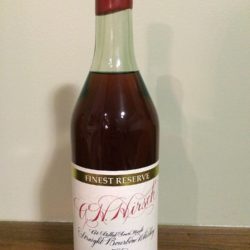
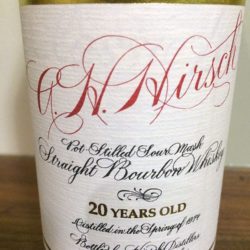
The only version of the 20 year Michter’s distilled Hirsch. Photos courtesy of Brian Daigle.